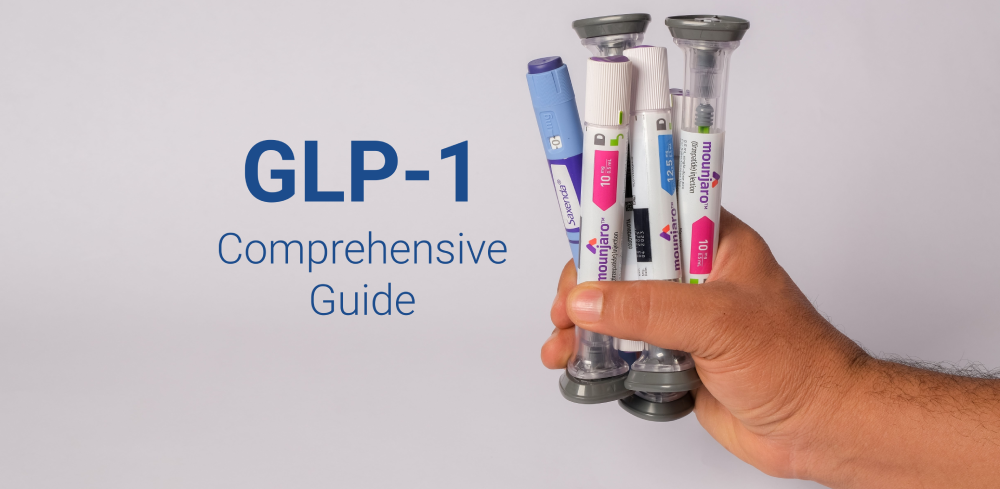
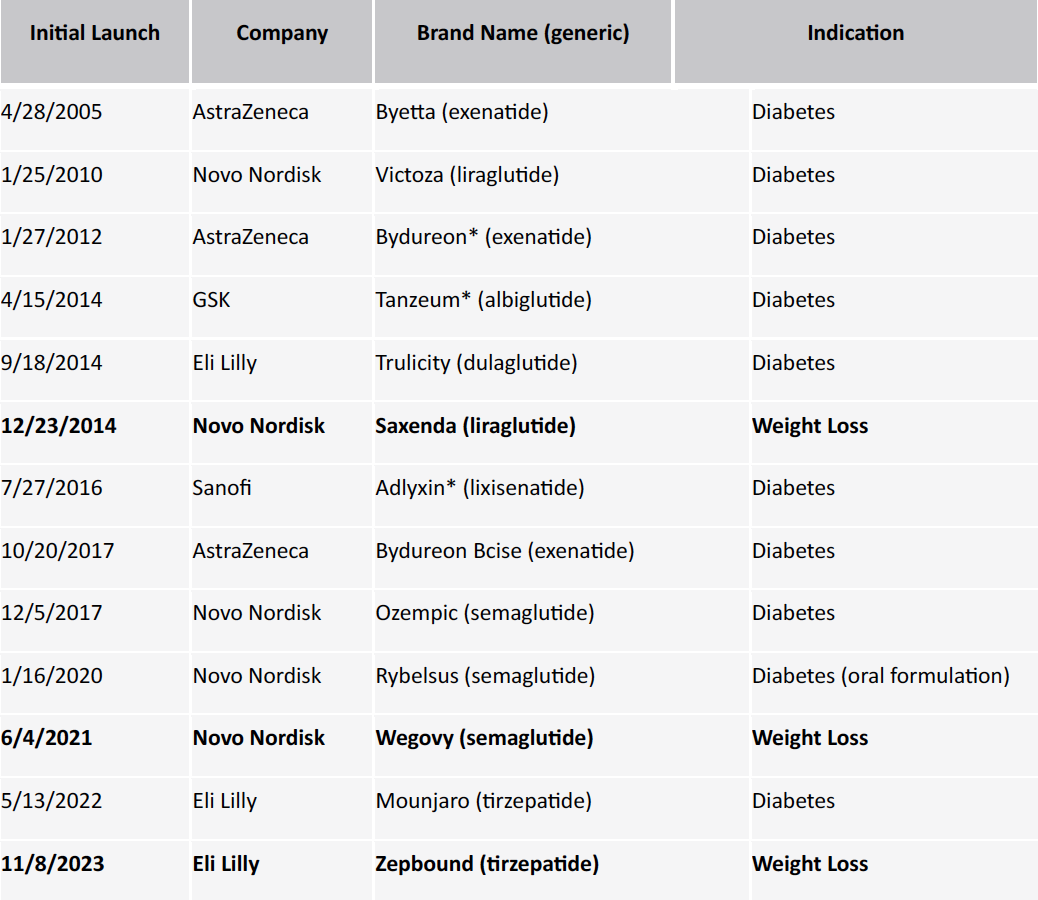
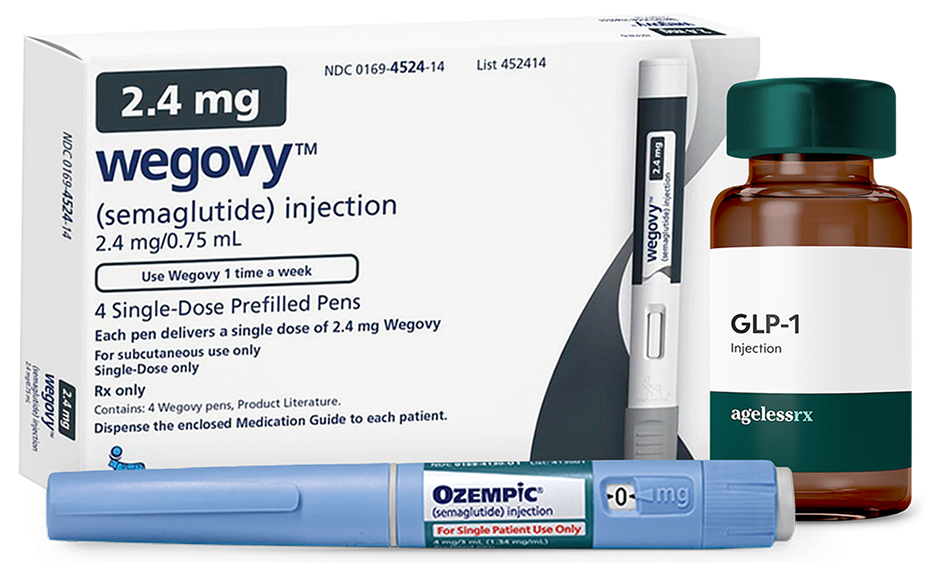
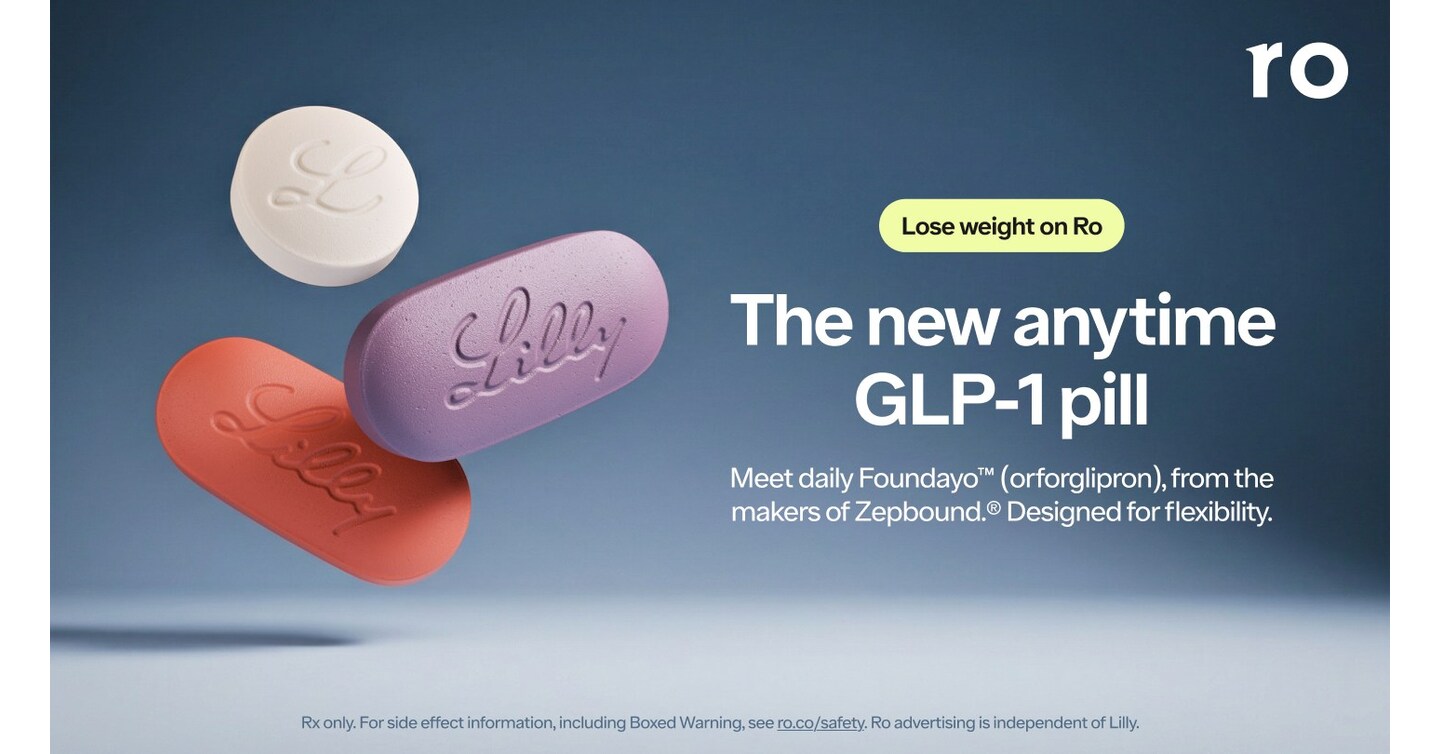
These new medications increase satiety, meaning the feeling of fullness or satisfaction after a meal
Patients should contact their GP or prescribing clinician if they experience: Severe or persistent cramps that do not respond to simple measures or significantly impact daily activities and sleep quality Frequent cramping occurring multiple times daily or nightly Associated symptoms such as muscle weakness, numbness, tingling, or changes in sensation, which may indicate neurological involvement Visible muscle changes including swelling, redness, tenderness, or asymmetry between legs Signs of dehydration such as dizziness, reduced urine output, dark urine, or confusion These features may indicate underlying conditions requiring investigation, such as significant electrolyte disturbances, peripheral neuropathy (particularly relevant in diabetes), peripheral arterial disease, or, rarely, more serious muscle disorders
When initiating GLP-1 therapy, patients should be aware of potential side effects
Verify each one directly before enrolling, and apply the same checklist to any other platform you consider
Molecular physiology of reverse cholesterol transport
International Journal of Surgery (London, England), 109 (2), 8182