Despite the strong correlation observed between patients experiencing high-fat reductions measured by magnetic resonance imaging proton density fat fraction (MRI-PDFF) and histological biopsy data, the FDA would require biopsy data to make approval decisions
[6] A CTX that remains above that threshold despite reported adherence may indicate absorption problems, whether caused by co-administration errors, GI conditions like Barrett's esophagus, or, less likely, supplement interference
More realistic scenario: FDA approval 2028, commercial launch Q3-Q4 2028, shortages through early 2029, stable availability mid-2029
Early conversations enable your provider to offer guidance immediately, which can prevent minor issues from escalating
Some clients want the efficiency of a mobile visit so they can avoid traffic and save time
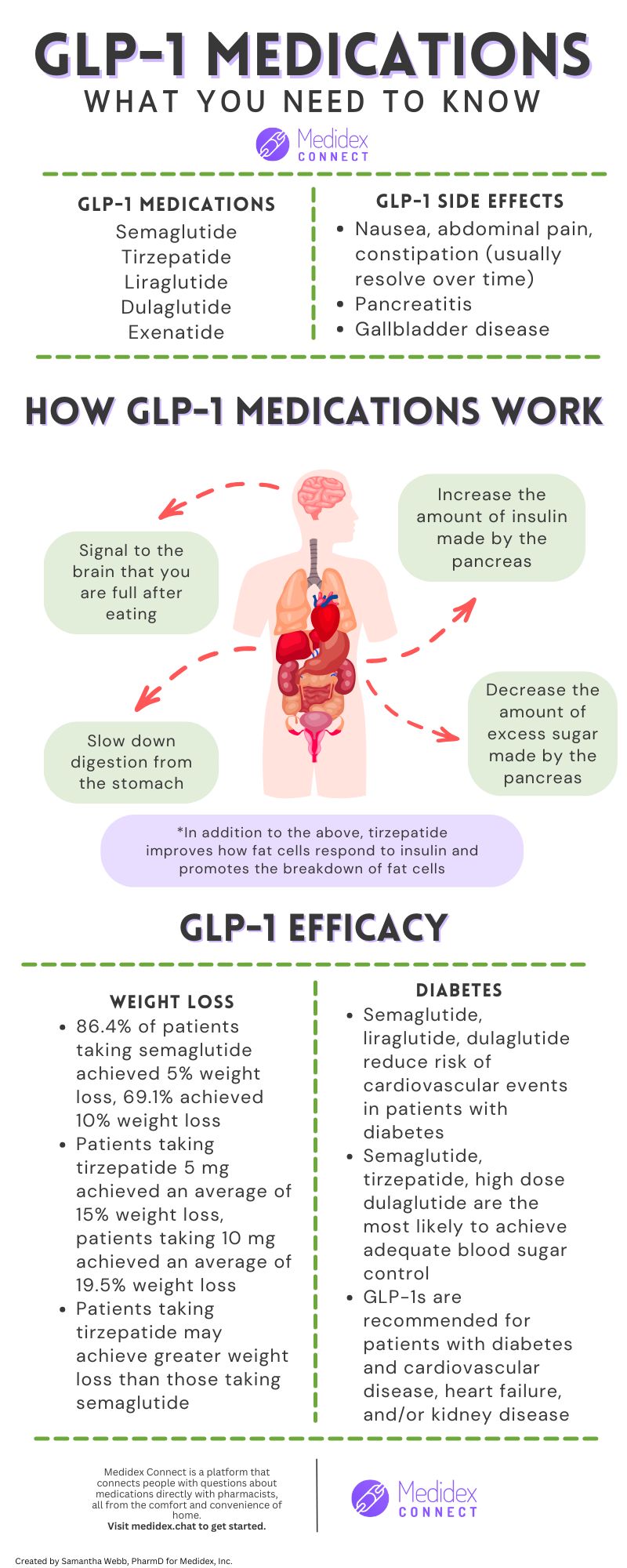
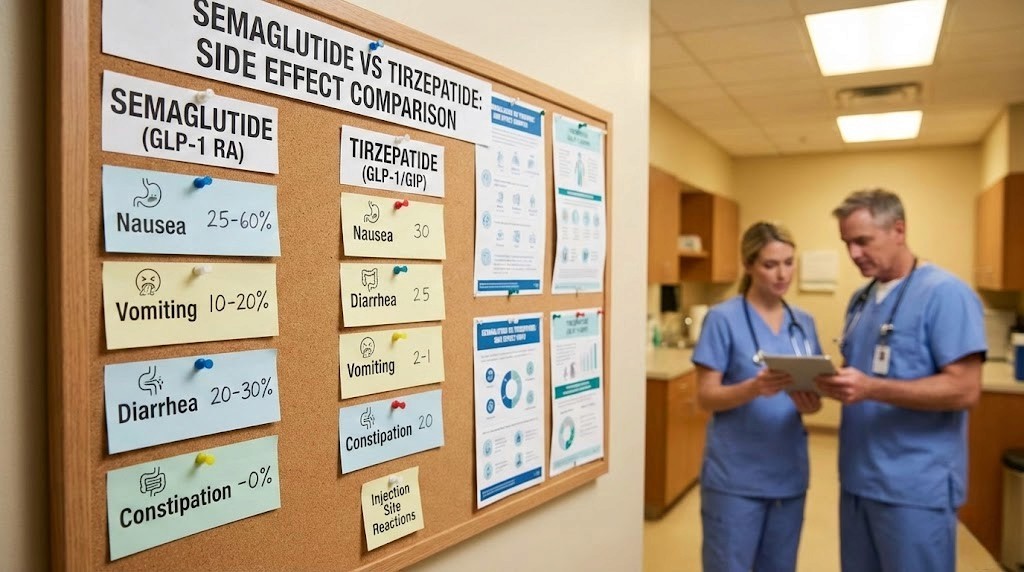
Tirzepatide SURMOUNT-1 (2022) and SURPASS-2 (2021) SURMOUNT-1 (Jastreboff et al., NEJM 2022): 2,539 non-diabetic adults with BMI 30, 72 weeks of tirzepatide 15 mg/week: Weight loss: 20.9% (vs 3.1% placebo) 91% of participants 5% loss, 56.7% 20% SURPASS-2 (Fras et al., NEJM 2021): 1,879 T2D patients head-to-head vs semaglutide 1 mg: HbA1c: 2.30% (tirzepatide 15 mg) vs 1.86% (semaglutide) Weight loss: 11.2 kg vs 5.7 kg Tirzepatide statistically outperforms semaglutide on both HbA1c and weight in a head-to-head trial a rare outcome in incretin pharmacology




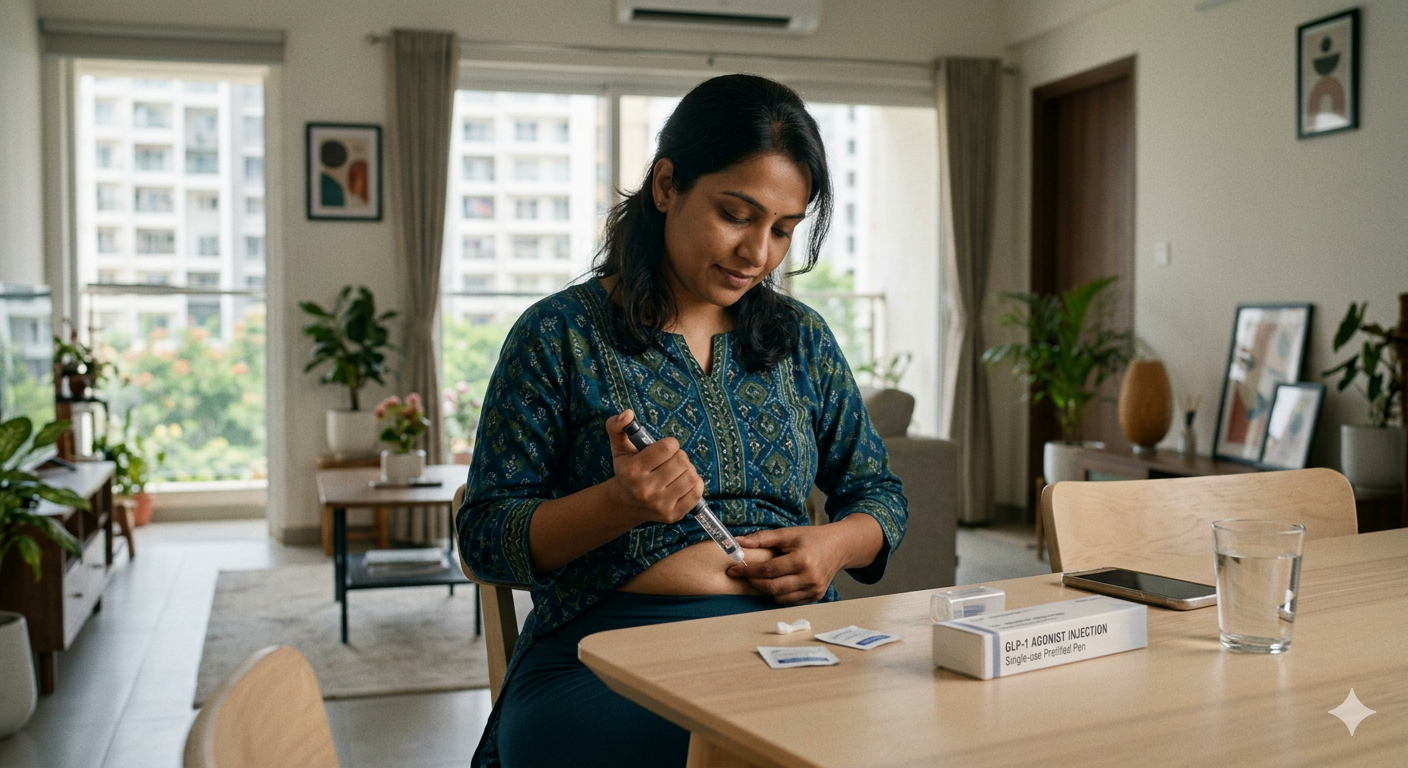)