Store lyophilized material at 4 F (20 C) or below in a sealed vial Allow the vial to reach room temperature before opening to prevent condensation Protect the peptide from prolonged exposure to light, heat, and humidity Use sterile laboratory equipment and appropriate aseptic technique during preparation Avoid repeated freezethaw cycles which may affect peptide stability Label all reconstituted samples with preparation date, solvent type, and concentration Following consistent handling procedures helps support reproducible results in biochemical assays and experimental model systems
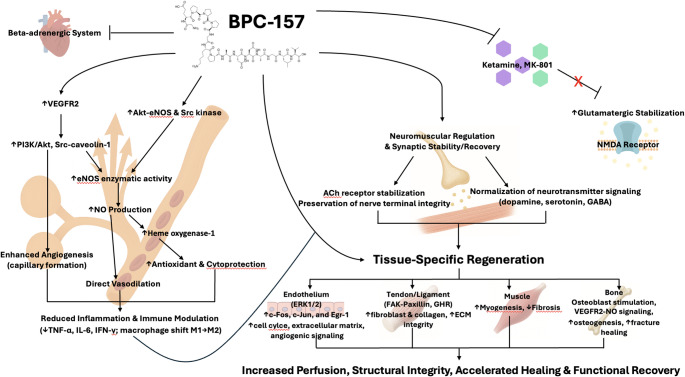
Systemic effect across multiple sites
It is generally supplied within a Research Use Only framework for scientific research and must not be marketed with medicinal claims
By FormBlends Editorial Research|Source reviewed by FormBlends Medical Team|| Source Reviewed Written by FormBlends Editorial Research Checked against primary sources by FormBlends Medical Team In This Article This article is part of our Peptide Therapy collection
BPC-157 therapy allows combating adverse effects from the abuse of alcohol, drugs, NSAIDs, opioid drugs, and local anesthetics
With internal fistulas in the colon and the bladder, with BPC 157 therapy, the colon and bladder defects showed simultaneous healing effects, including closing of the colovesical fistula in a matching healing process ( c ) and a normal voiding in BPC 157-rats ( b )