Although early research suggests promising benefits, long-term safety data remains limited
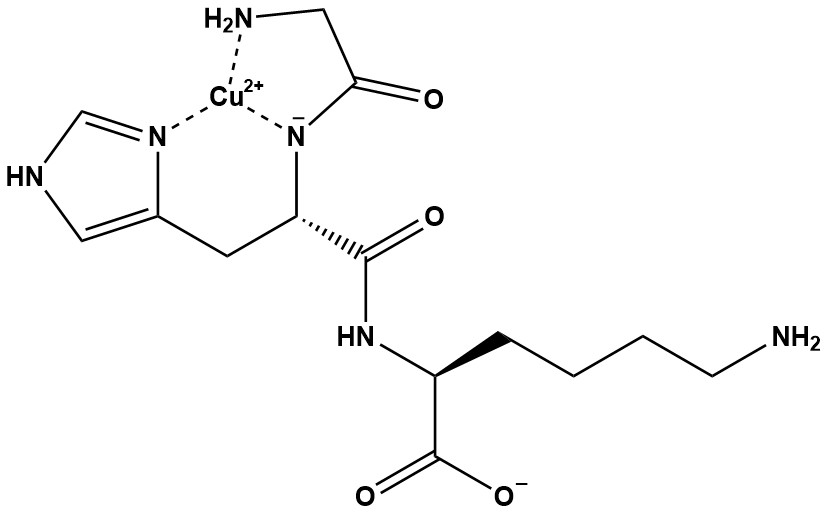
GHK-Cu in Peptide Research Within peptide research communities, GHK-Cu is often discussed alongside other research peptides when examining peptide signaling pathways and peptide behavior in laboratory environments
Quick Takeaways GHK-Cu is a naturally occurring copper-binding peptide that powerfully upregulates collagen synthesis and skin remodeling Most topical collagen products cannot penetrate your system dermally (through the skin), and do almost nothing at the tissue level The best results for loose skin come from the combination of systemic peptides and topical application strategies Peptides for loose skin work through receptor-mediated signaling and gene expression, rather than surface-level hydration Why Loose Skin Is a Biology Problem, Not a Cosmetic One The fitness and wellness industry has conditioned people to think loose skin is just a cosmetic inconvenience or an after-effect of massive weight loss
Conclusion Knowing the difference between viral and bacterial infection matters
Structure Of Epithalon 10MG From Pubchem IUPAC Name: (4S)-4-[[(2S)-2-aminopropanoyl] amino]-5-[[(2S)-3-carboxy-1-(carboxymethylamino)-1-oxopropan-2-yl] amino]-5-oxopentanoic acid Synonyms: Epithalone, alanyl-glutamyl-aspartyl-glycine, epitalon, epithalon Molecular Formula: C14H22N4O9 Molecular Weight: 390.35 g/mol Sequence: Ala-Glu-Asp-Gly CAS number: 307297-39-8 PubChem CID: 219042 Epithalon 10MG Uses In Research Epithalon and Antiaging Different scientific studies indicate that epitalon can prolong the lifespan and delay the aging process
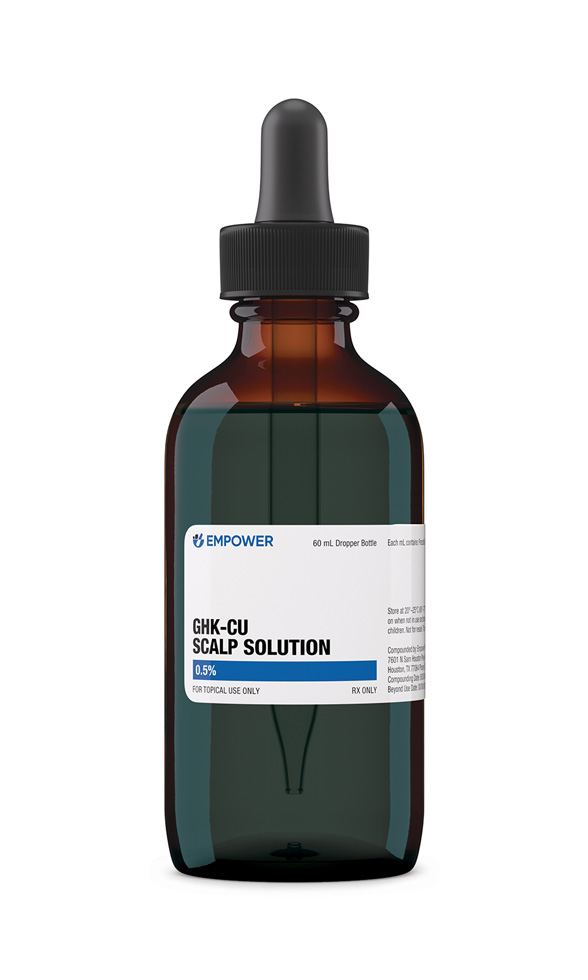
BIOLABS GHK-CU Copper Peptide