Molecular Composition and Characteristics Component 1: BPC-157 (synthetic pentadecapeptide) Component 2: TB-500 (thymosin beta-4 analogue) Referenced Component: CAS 89030-95-5 for analytical traceability Structure: Linear synthetic peptide chains supplied as a blended formulation Dose Format: High-concentration 30mg blended vial Stability and Storage Characteristics Supplied as a lyophilised powder for optimal stability Recommended storage temperature: 20C Sensitive to moisture, light exposure, and elevated temperatures Predictable degradation above room temperature Reconstituted solutions generally stable for 2448 hours under refrigeration Reconstitution Compatibility Bacteriostatic water Sterile saline Acid-adjusted buffer systems Selected analytical-grade organic solvents Technical Specifications product Name BPC-157 + TB-500 Blend 30mg cas 137525-51-0, 77591-33-4, 89030-95-5 purity 99% (HPLC verified) unit Size 30 mg blended vial form Lyophilised peptide blend synthesis Solid-Phase Peptide Synthesis (SPPS) analytical HPLC, Mass Spectrometry, UV Spectrophotometry molecular Structure Linear synthetic peptide chains stability High under recommended laboratory storage Quality Control and Documentation HPLC purity confirmation Mass Spectrometry molecular identity verification UV spectrophotometric concentration analysis Batch consistency and reproducibility testing Endotoxin and microbial screening Regulatory Statement BPC-157 + TB-500 Blend 30mg is supplied strictly for laboratory research and scientific investigation

Turn your GLP-1 treatment into a lifestyle transformation
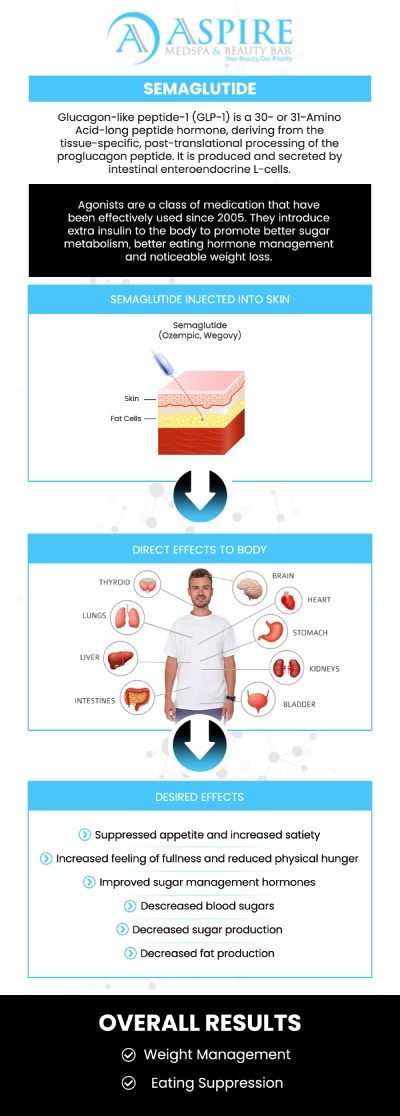
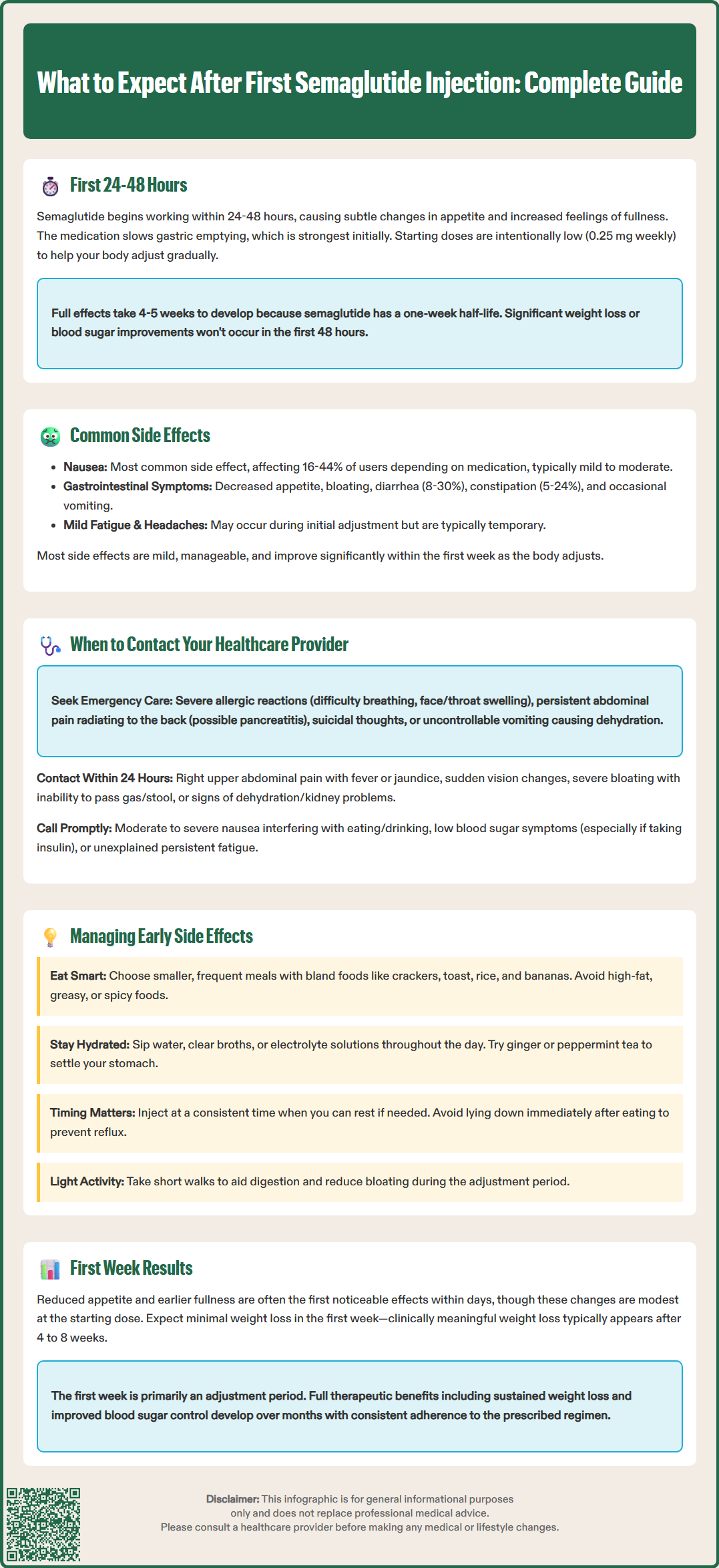
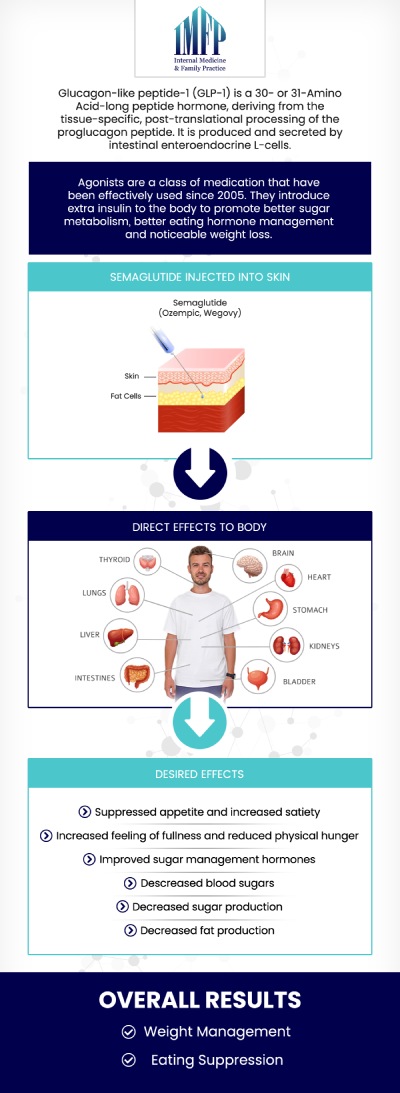
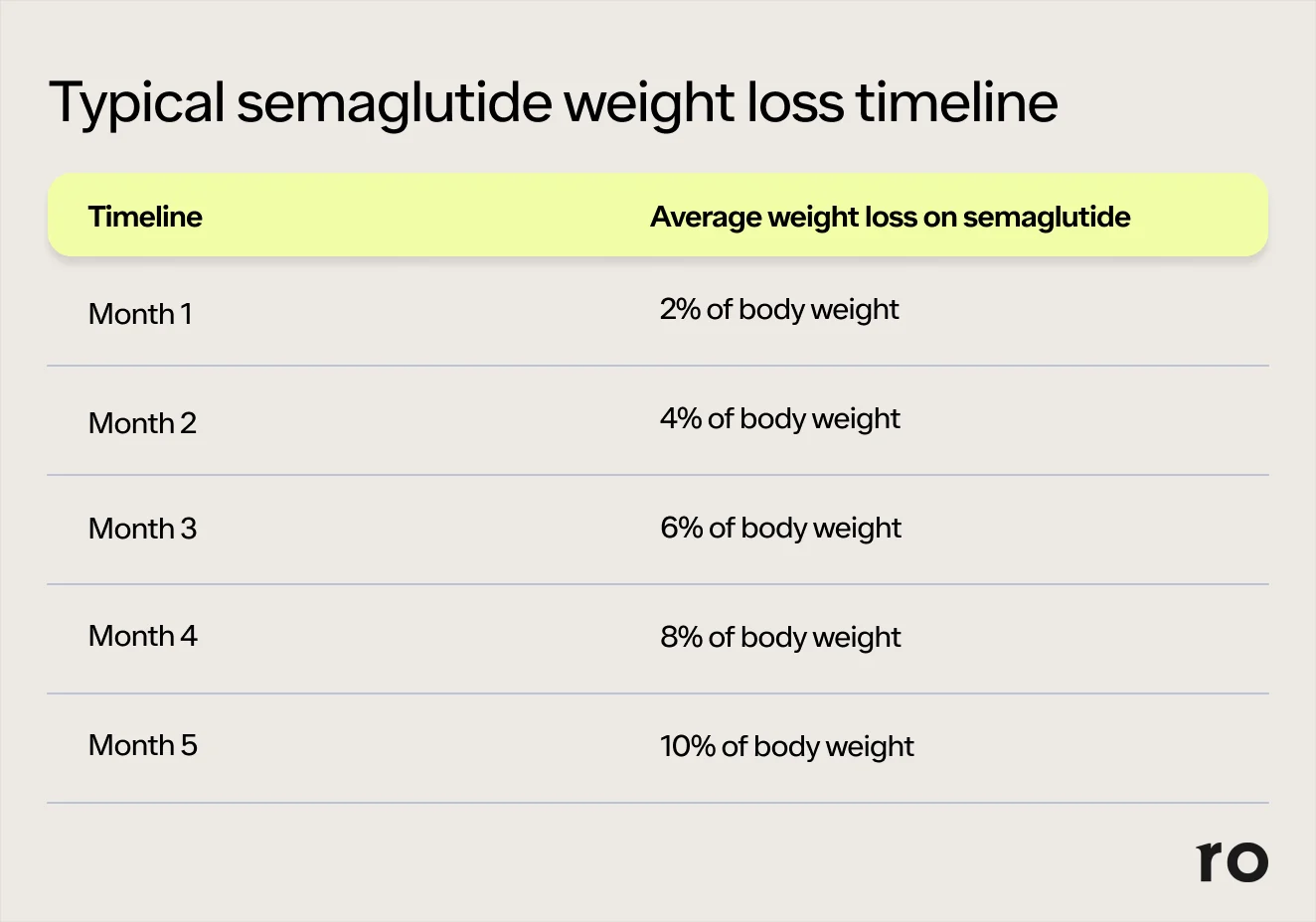
Men using compounded semaglutide injections have reported improvements in energy, libido, and mood alongside weight loss, suggesting hormonal benefits rather than interference
Analytical testing confirms high purity for both peptides, assay content verified at Ipamorelin 10.26 mg and CJC-1295 (MOD GRF 1-29) 11.19 mg, with endotoxin levels below 0.001 EU/mg
Dixon et al ., Reference Dixon, McNally and Ong2020
Factors of conservation concern are habitat loss, traffic accidents, and transmission of infectious diseases from domestic cats, such as protozoan diseases and feline immunodeficiency virus (Nishimura et al., 1999